
Upgrade to Endless Hot Water With Tankless Systems
Connecticut’s groundwater runs colder than most of the country for much of the year, dipping into the 30s and 40s during the winter months. That’s a detail most homeowners never think about until their old tank water heater starts running out of hot water halfway through a shower on a January morning. Homes throughout Hartford and neighboring towns like West Hartford, Glastonbury, and Newington deal with this reality every winter, and it’s one of the biggest reasons more homeowners in the area are looking into tankless water heater installation in Hartford, CT, as an upgrade over their aging tank systems.
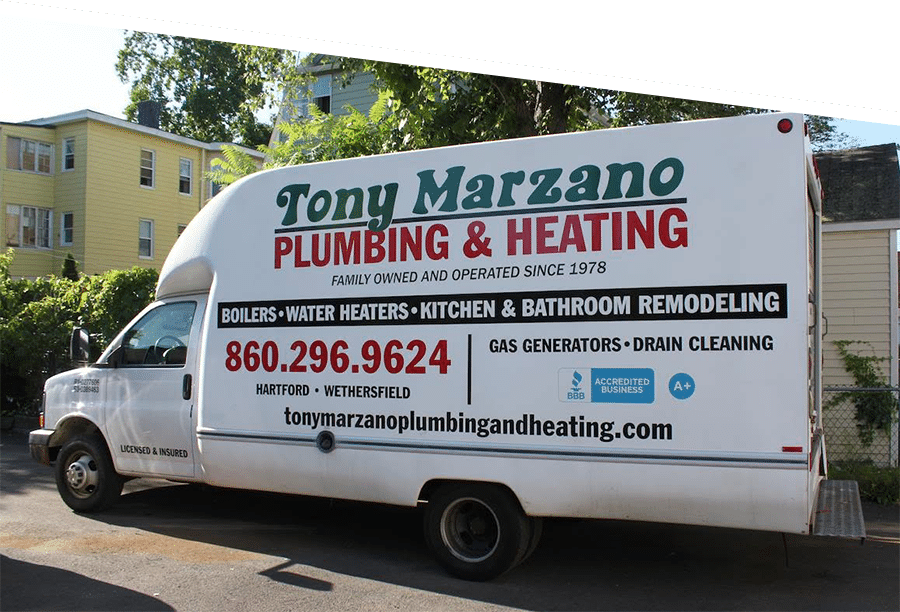
Tony Marzano Plumbing & Heating has spent nearly five decades helping Hartford homeowners with their plumbing and heating needs, and tankless water heaters have become one of our top areas of focus as demand has grown across the region. Now in our 48th year as a family owned business, we’ve made tankless installation one of our sharpest specialties, backed by a 4.9-star average across more than 700 Google reviews from clients throughout Greater Hartford. As a licensed and insured contractor and PHCC member, our team knows the gas line, venting, and sizing details that make or break a proper tankless installation, not just the basics.
Signs You Need a Tankless Water Heater Replacement or Upgrade
Whether you currently have a tank system or an aging tankless unit, a few signs point toward it being time for a change:
- Your household regularly runs out of hot water during busy mornings or evenings
- Your current tank water heater is over 10 to 15 years old
- Your existing tankless unit is experiencing frequent error codes or inconsistent temperatures
- You’re noticing rising energy bills tied to an inefficient or aging system
- You’re renovating your home and want to free up space currently taken by a bulky tank
- Mineral buildup or reduced flow rate has become a recurring issue with your current unit
If any of these sound familiar, it’s worth having a professional evaluate whether a new or upgraded tankless system makes sense for your home.
Tankless vs. Traditional Water Heaters
Choosing between a tankless and a traditional tank system often comes down to a few key factors: how efficiently each system runs, what you’ll pay upfront versus over time, and how long you can expect it to last. Here’s how they stack up.
Energy Efficiency Comparison
Tankless water heaters only heat water as it’s needed, rather than continuously maintaining a full tank of hot water around the clock. This on-demand approach typically uses less energy than a traditional tank system, especially in households where hot water usage is spread throughout the day rather than concentrated in a few short bursts.
Efficiency gains generally depend on a few factors:
- Household size and daily hot water demand
- Whether the unit is gas or electric powered
- How usage is spread throughout the day versus concentrated in short bursts
- The age and condition of a comparable traditional tank system
Upfront Cost vs. Long-Term Savings
Tankless units generally cost more upfront than a traditional tank, both in equipment and installation, particularly if gas line or venting upgrades are needed. Over time, though, the improved efficiency and longer lifespan of a tankless system can help offset that initial investment.
Cost considerations typically include:
- Higher initial equipment and installation costs, especially when upgrades are needed
- Lower monthly energy bills thanks to on-demand heating
- Fewer replacement cycles over the life of the home
- Potential rebates or incentives that can help offset upfront costs
Lifespan Comparison
A traditional tank water heater typically lasts 10 to 15 years, while a well-maintained tankless system can last 20 years or more. That extended lifespan is one of the main reasons homeowners across Hartford, Farmington, and Avon are willing to invest in the upgrade.
Key differences include:
- Traditional tanks: average lifespan of 10 to 15 years
- Tankless systems: average lifespan of 20 years or more with proper maintenance
- Fewer full replacements needed over time with a tankless unit
- Routine maintenance, such as flushing for mineral buildup, plays a role in maximizing lifespan for either system
Frequently Asked Questions
Are there Energize CT or Eversource rebates available for tankless water heater upgrades?
Connecticut homeowners may qualify for rebates through Energize CT or their local utility provider when upgrading to a qualifying high-efficiency tankless water heater. Rebate programs and amounts can change from year to year, so it’s worth checking current availability at the time of your installation. Our team can help point you toward the resources in place when you’re ready to move forward.
Will cold groundwater temperatures in Connecticut winters affect my tankless unit’s flow rate?
Yes, colder groundwater does require a tankless unit to work harder to reach your desired water temperature, which can slightly reduce the maximum flow rate during the winter months compared to warmer seasons. This is a normal part of how tankless systems function and is one of the key reasons proper sizing matters so much during installation. We factor in Connecticut’s seasonal groundwater temperatures when recommending a unit, so your system is built to perform even during the coldest months.
Schedule Your Services Today!
Ready to leave inconsistent hot water behind? Call Tony Marzano Plumbing & Heating today to schedule tankless water heater repair, replacement, or installation in Hartford, CT, backed by nearly 50 years of trusted service across the surrounding communities.